Physics
Pickles glow when you plug them in. Science explains why
A scientist, a jar of pickles and a power strip walk into a room. The punchline involves physics, glowing condiments and a scientific party trick.
A scientist, a jar of pickles and a power strip walk into a room. The punchline involves physics, glowing condiments and a scientific party trick.
Researchers tracked a prescribed grassland fire using infrasound, sound waves pitched too low for people to hear.
A protein that is a hallmark of Alzheimer’s disease may also ID a brain condition associated with head trauma in contact sports, early findings suggest.
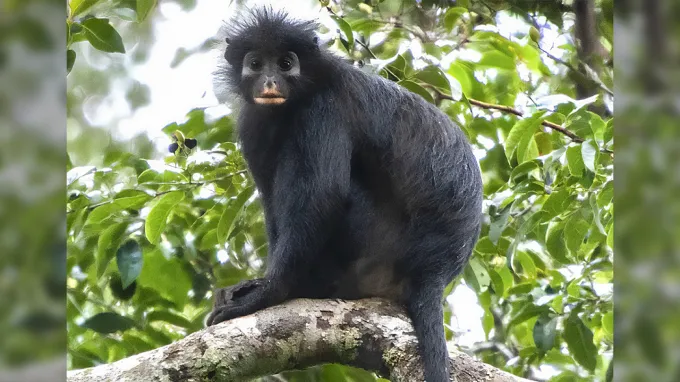
A canopy call, a partial photo and DNA revealed a new primate species — one that may already be at risk of extinction.
Atmospheric rivers bring heavy rain and floods, but if they don’t come around, it could mean drought. A new global map reveals little-known pathways.
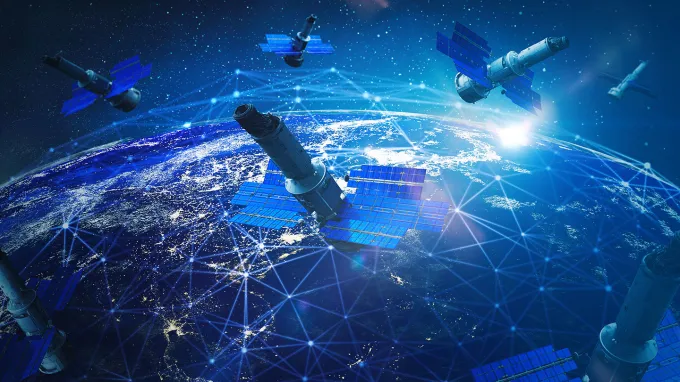
There’s never been a good method to check for violations of the Outer Space Treaty’s prohibition of nuclear weapons in space.
Getting more protein has been all the rage. In sedentary people, that advice could accelerate aging.
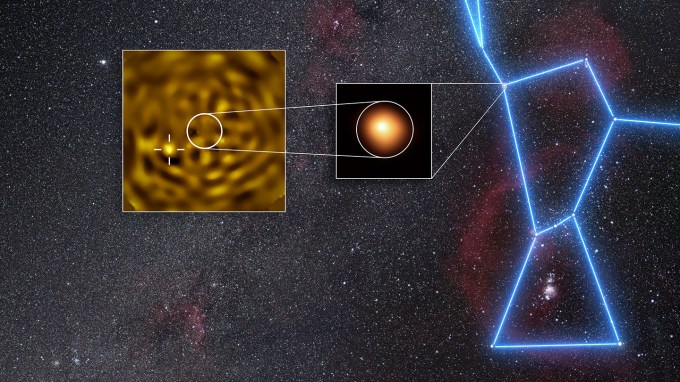
A century of hints has suggested the famed red supergiant had a star pal but seeing it amid Betelgeuse’s brightness has been hard — until now.
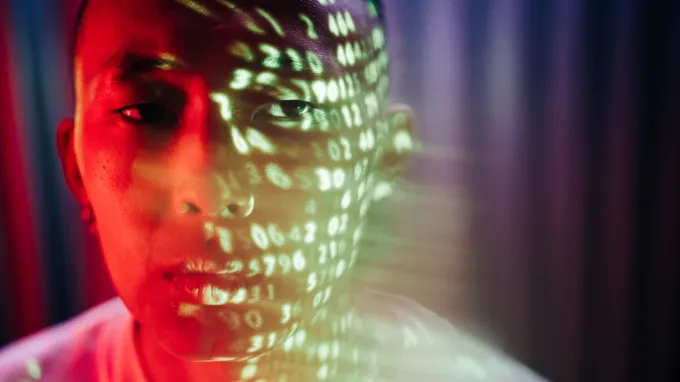
A chat with aged avatars of future selves can guide people paralyzed by tough decisions. The question is what information to feed the bots.